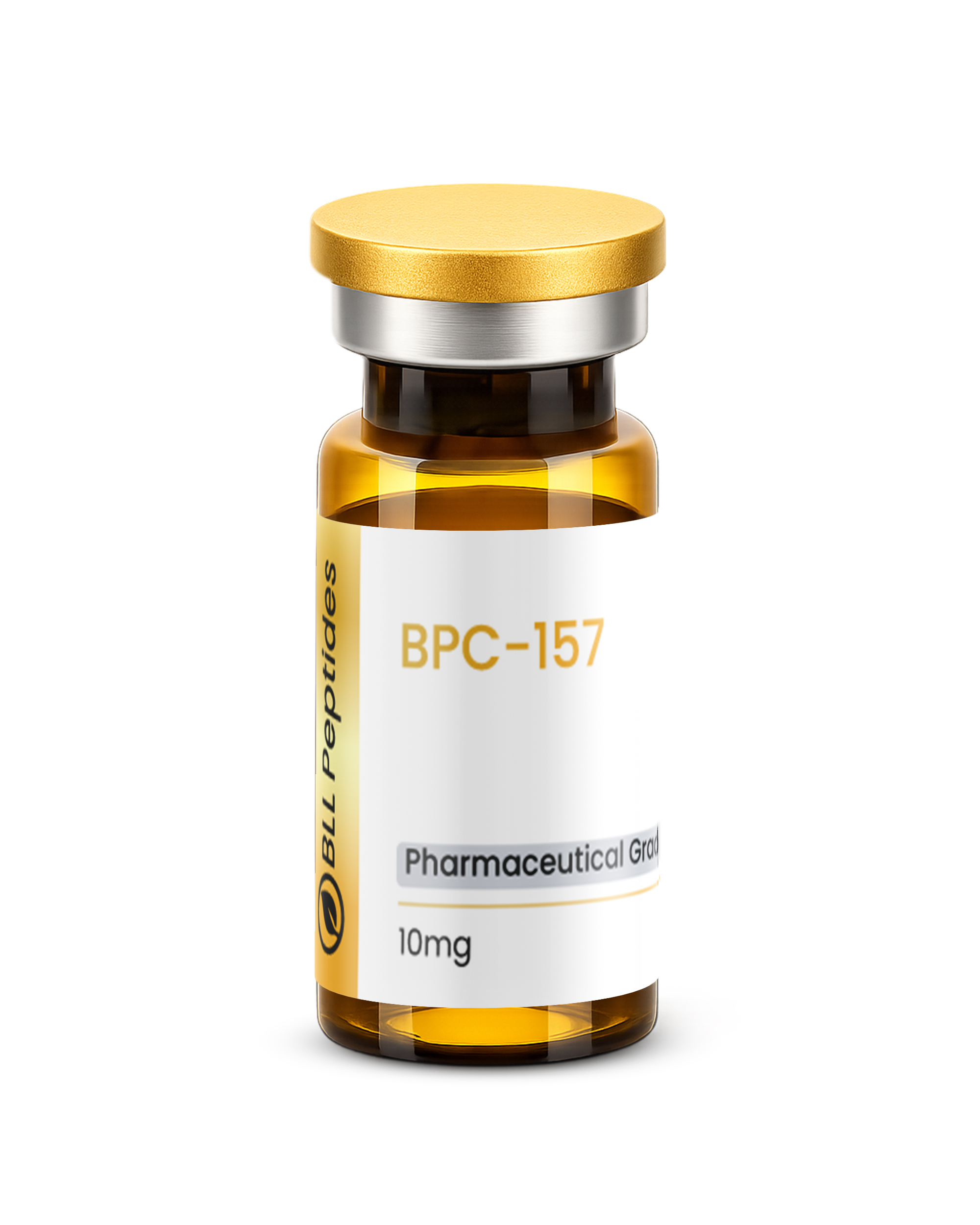
Because blends contain more than one active compound, there are some important research considerations: Composition transparency : Always check the specific product listing and accompanying Certificate of Analysis (COA) for the exact compounds and ratios included in a given blend batch, as formulations can differ between suppliers and batches Analytical complexity : HPLC and mass spectrometry analysis of a multi-component blend is inherently more complex than for a single compound, since multiple peaks must be correctly attributed Study design implications : Researchers studying interactions between compounds may specifically want a blend, whereas researchers isolating the effect of a single compound will generally want single-compound material like GHK-Cu Choosing Between a Single Compound and a Blend The right choice depends entirely on the research question: Studying the properties of a single, well-characterised compound single-compound peptides such as GHK-Cu are generally preferred for clarity of results Studying combined or comparative effects across multiple compounds a blend may be more appropriate, provided the exact composition is transparently documented Regulatory Note Neither GHK-Cu nor blended peptide products are licensed medicines or cosmetic ingredients approved for use on humans in the UK
Both are available through GPhC-registered pharmacies following a clinical assessment
During your visit, our team will review your medications, allergies, and health history before determining whether Toradol is a safe option
Preclinical research in animal models shows that BPC-157 protects against NSAID-induced gastric ulcers, chemically induced intestinal lesions, and stress-related gut injuries, improving mucosal integrity and reducing symptoms such as abdominal pain, bloating, and diarrhea