Vol. XVIII · Free shipping $75+ · Read the collection
Feature · Product Review
bpc-157 tight junction intestinal permeability

bpc-157 tight junction intestinal permeability as an Investigational Peptide Therapeutic: Biopharmaceutical Challenges, Formulation Strategies, and Translational Development Barriers bpc 157 intestinal permeability tight

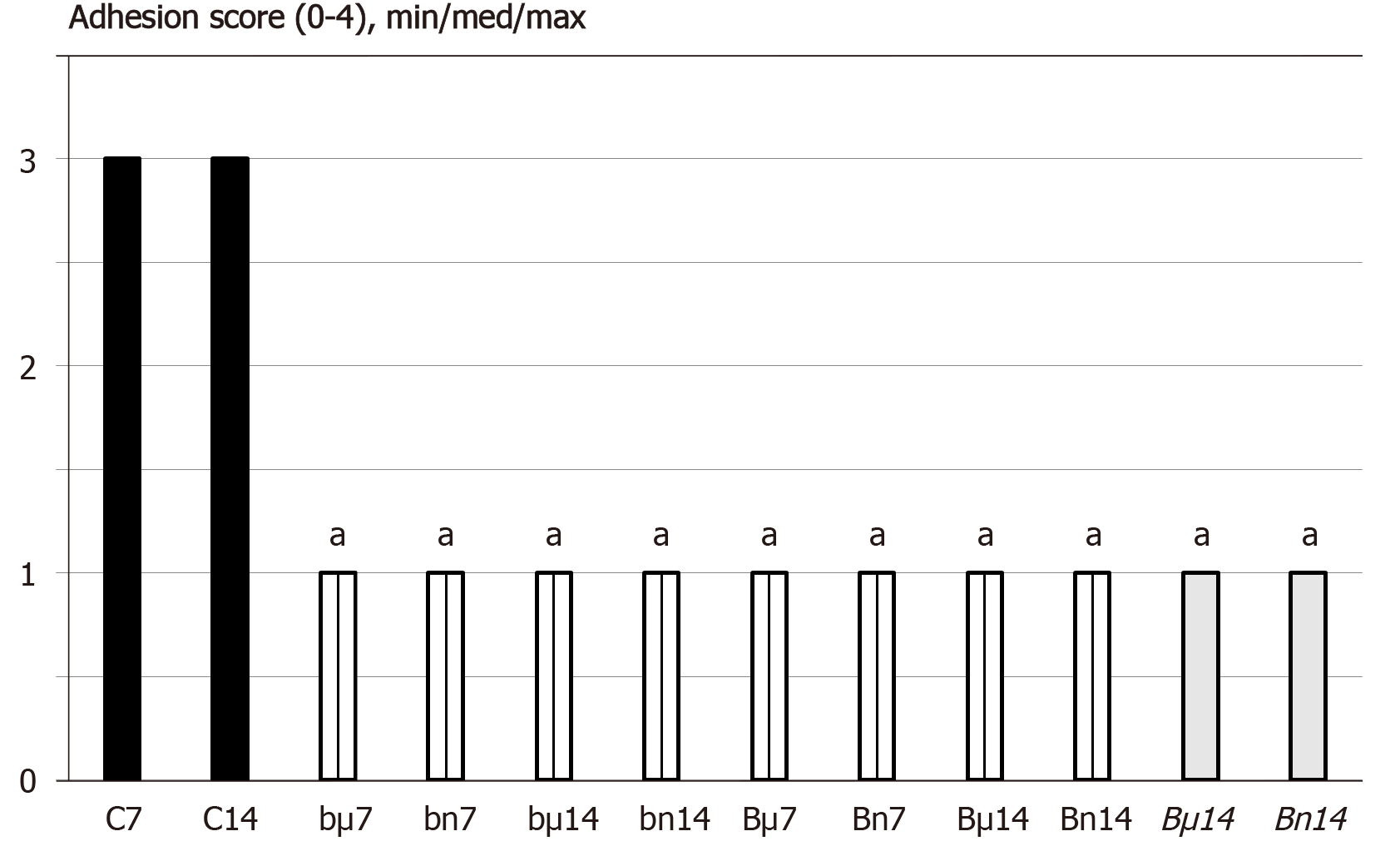
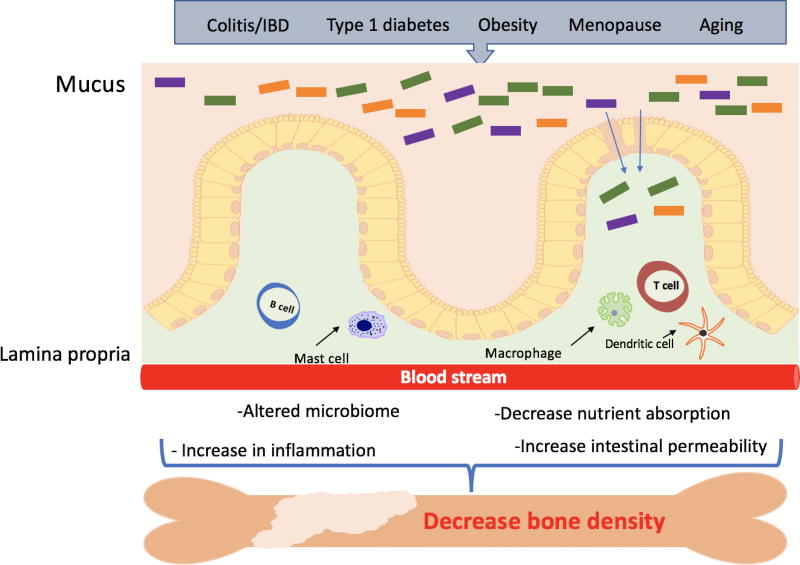
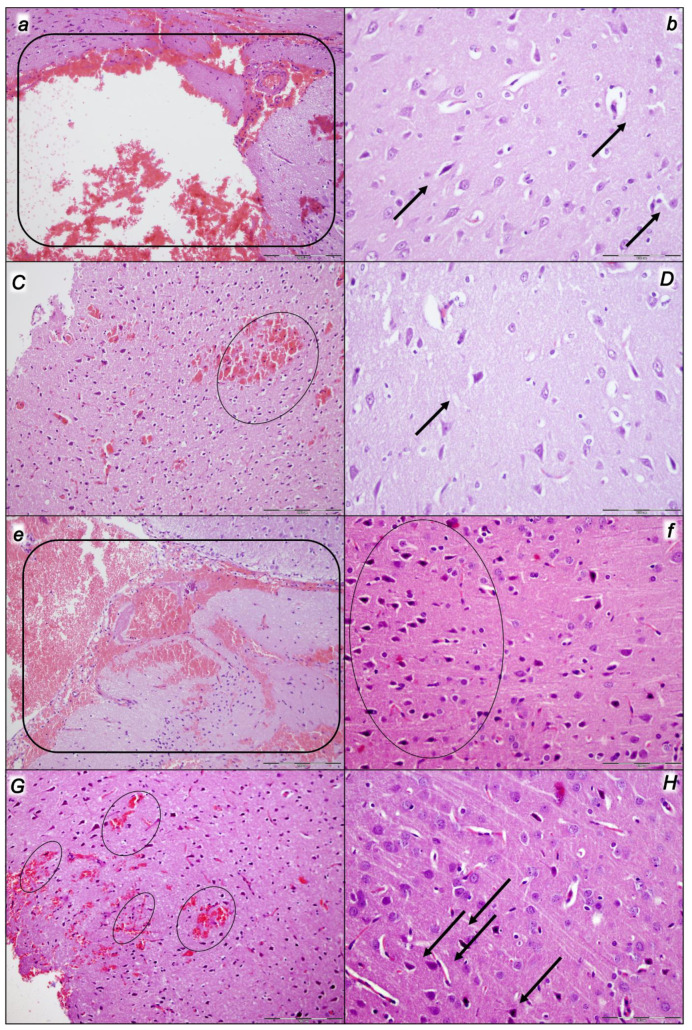
bpc 157 intestinal permeability tight junction study Stable Gastric Pentadecapeptide Therapy: Effect on Reperfusion Following Maintained Intra Abdominal Hypertension (Grade III and IV) in Rats Frontiers The Role of Bowel adhesion and therapy with the stable gastric pentadecapeptide BPC 157, L NAME and L arginine in rats Epithelial barrier function in gut bone signaling PMC How BPC 157 Works: 6 Healing Mechanisms Explained (2026)

SKU: 66150247515 · From composequickly.com

4.1
USD28.07 USD55.07

Pay in 4 interest-free payments of $7.02 Learn more

Shipping Estimate
USA
  • USA
  • CAN

Ships within 48 hours · Estimated delivery Aug 2 - Aug 7
Description

Mechanism of Action (MOA): Inhibit the DPP-4 enzyme, preventing the breakdown of endogenous GLP-1, leading to: Glucose-dependent insulin secretion Glucose-dependent glucagon secretion Efficacy: HbA1c reduction: 0.6%0.8% Primarily reduces postprandial glucose Common Dosing: Sitagliptin (Januvia): 100 mg once daily (dose adjustment required in renal impairment) Saxagliptin (Onglyza): 5 mg once daily ( dose in renal impairment) Linagliptin (Tradjenta): 5 mg once daily (no renal or hepatic dose adjustment) Alogliptin (Nesina): 25 mg once daily ( dose in renal impairment) Adverse Effects: Generally placebo-like URTI, headache, mild GI upset Advantages: Weight neutral Suitable for patients with renal impairment (with dose adjustment) Well-tolerated Possible -cellsparing effect Disadvantages: Risk of acute pancreatitis Joint pain Saxagliptin & alogliptin: potential risk of heart failure Precautions: History of pancreatitis Not recommended in DKA Not indicated in Type 1 Diabetes Monitor for heart failure (saxagliptin, alogliptin) #DPP4Inhibitors #Type2Diabetes #ClinicalPharmacy #Pharmacology #MedicationSafety #DiabetesCare #Endocrinology #PharmacyEducation #HealthcareProfessionals To view or add a comment, sign in 3,206 followers

bpc-157 tight junction intestinal permeability as an Investigational Peptide Therapeutic: Biopharmaceutical Challenges, Formulation Strategies, and Translational Development Barriers bpc 157 intestinal permeability tight

KPV studies have focused specifically on mucosal inflammation models, showing reduced inflammatory markers in intestinal tissue

bpc-157 tight junction intestinal permeability as an Investigational Peptide Therapeutic: Biopharmaceutical Challenges, Formulation Strategies, and Translational Development Barriers bpc 157 intestinal permeability tight

5-Amino-1MQ temporarily covers the pantry keyhole, keeping ingredients available for the kitchen instead

bpc-157 tight junction intestinal permeability as an Investigational Peptide Therapeutic: Biopharmaceutical Challenges, Formulation Strategies, and Translational Development Barriers bpc 157 intestinal permeability tight

This relationship is often called the gut-brain connection or gut-brain axis. As the Cleveland Clinic explains, More information passes between your brain and your gut than any other body system.5 But what does this have to do with BPC-157

bpc-157 tight junction intestinal permeability as an Investigational Peptide Therapeutic: Biopharmaceutical Challenges, Formulation Strategies, and Translational Development Barriers bpc 157 intestinal permeability tight
Exchange/Return Notes
  • We offer a 30-day return/exchange service after receiving.
  • Final sale items are not eligible for returns or exchanges.
  • To process your return/exchange, please contact us at [email protected]
  • Please click here for more details>>> Return & Exchange Policy

You may also like

recommand products