902 Due to the increased demand for iron in osteoclast development, TFR1-mediated iron uptake promotes osteoclast differentiation and bone resorption activity
Chemical Synthesis - Production Method Matters There are two production routes for Glutathione Whitening Powder , with vastly different quality profiles: Chemical Synthesis (Older Method): Process: Multi-step organic synthesis starting from protected amino acids Yield: 40-60% (multiple purification steps required) Purity challenges: Residual protecting groups (Boc, Fmoc) Racemization (D-amino acid contamination) Heavy metal catalysts (Pd, Pt residues) Organic solvents (DMF, DCM) Regulatory issues: Not suitable for "natural" or "fermentation-derived" claims Cost: Lower raw material cost, but extensive purification increases final price Yeast Fermentation (Modern Method, Our Process): Process: Saccharomyces cerevisiae or Candida utilis engineered to overproduce GSH Yield: 15-25 g GSH per liter of culture (high productivity) Purity advantages: 100% L-amino acids (no racemization) No heavy metal catalysts Minimal organic solvents (only in extraction) Natural product status (suitable for clean label) Regulatory advantages: GRAS status, suitable for vegan/kosher/halal certification Cost: Higher fermentation costs, but less purification needed Why fermentation is superior: Stereochemistry: Yeast produces only L-glutathione (biologically active)

Schedule Your Vitamin Injection Consultation Boost your energy, immunity, and vitality with Vitamin Injections and Supplements at VitaGlowMD
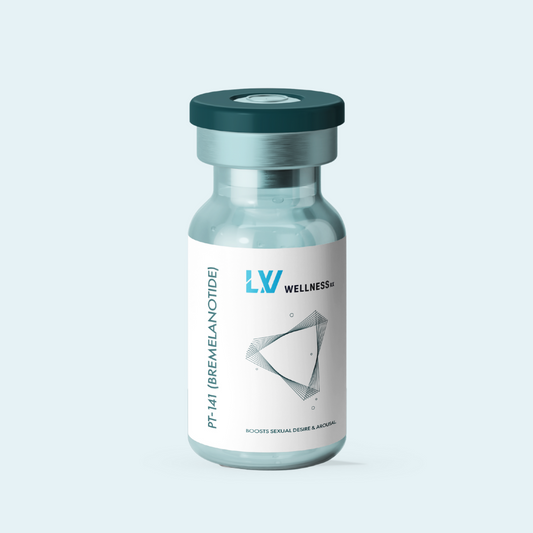
The peptide reconstitution calculator helps ensure accurate preparation, while our guide on mixing peptides with bacteriostatic water walks through the process step by step